Episode Transcript
[00:00:00] Speaker A: Quick question.
You're standing in the meat aisle at the grocery store and you're looking at a package of hamburger and it says product of usa.
Where do you think that animal was raised?
Where do you think it was born? Where do you think it was processed? Well, most of us will say America because it says product of the USA. But prior to January 1, 2026, that answer would actually be wrong.
It could have been born in Brazil, raised in Mexico, processed in America, ground up, thrown in a box. Slap a label on a product of USA and that would have been perfectly legal.
Recently, the USDA changed that rule, though today we want to talk about what that means, what it actually changed, what it didn't change, who benefited, who didn't, and why. That label, Product of USA on beef Said still is not telling the whole truth about that beef.
[00:00:59] Speaker B: Welcome to the Duster Mud podcast. I'm Rich.
[00:01:02] Speaker A: And I'm shelley.
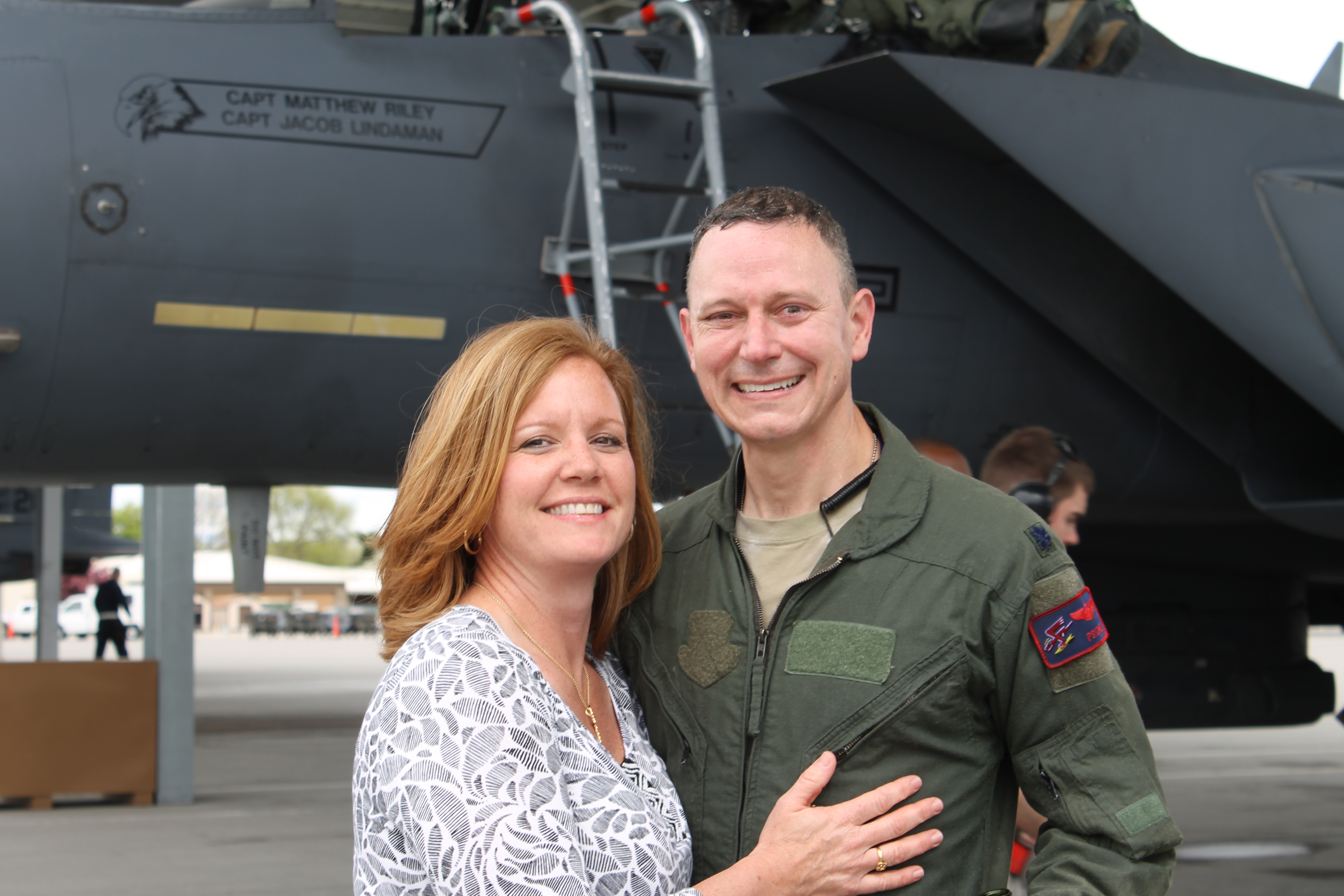
[00:01:03] Speaker B: We spent 25 years as a military family in the US Air Force where I flew F15s and worked for a while at the Pentagon. Now we have a first generation regenerative farm in the Southwest Missouri Ozarks. And on this farm we raise red Devon be beef cows.
And I can tell you exactly where my beef comes from. It was born in Missouri, raised in Missouri, processed in Missouri. I take it to that processor, pick it up from the processor and deliver that beef to our store.
That's traceability, but that is not what happens in the industry, and I think it should.
So today we're going to talk about why that isn't the case, why the government took a small step in the right direction.
But even with that small step in the right direction, the companies that are still benefiting are quietly applauding.
[00:02:06] Speaker A: So what we're referencing is an acronym, MCool M C O O L or the mandatory country of a label Origin labeling.
That is a mandatory labeling that goes on to food that we purchase in the United States that tells us where the food came from. It's really simple.
I was noticing a couple of weeks ago we were eating a bag of nuts and it was mixed nuts from Costco.
And on that bag of nuts, the list of countries of origin was upwards of. It was. It was more than 10 different countries that those nuts originated from.
[00:02:59] Speaker B: You know, it was only like five different nuts.
[00:03:01] Speaker A: It was only five different nuts. You know, it's a mix. You've got your Brazil nuts and you've got macadamia nuts, some, some pecans, you know, mixed nuts. And they're grown all over the place. Well, a lot of them are put together and put into these mix nut bags. But because of mandatory country of origin labeling, they have to put all of the different countries of where those products came from that are in that bag.
And I was just baffled by it.
And you're going to be too, whenever we, as we unfold this imcool and how it has affected the beef industry for the last almost 20 years.
[00:03:46] Speaker B: Yep.
It probably started affecting it over 20 years ago. In 2002 was when the farm bill left Congress and it authorized mandatory country of origin labeling. And that was for beef, pork, lamb, chicken, fish, shellfish, fruits, vegetables, peanut, and more.
So they passed that in the farm bill in 2002.
Implementation was immediately delayed. This is hard. How are we ever going to do this? People started lobbying against it.
So nothing really happened until 2008. Farm Bill Congress said, hey, we got to get this done.
[00:04:29] Speaker A: Okay.
[00:04:30] Speaker B: All right. So March 16, 2009, MCool takes effect for all of those products that we listed. And almost immediately it was challenged. So during that time, starting it In March of 2009, Product of the USA meant it had to be born, raised, slaughtered, processed, packaged, all of the things here in the United States of America. And that went for beef and everything else.
[00:05:06] Speaker A: Okay.
Well, it didn't last that long. And most people probably.
It flew under the radar for most consumers.
I would imagine at the time it wasn't super hot button for even me. I don't really, really remember. Of course, we were overseas a lot and all that kind of thing, but not really paying attention to this. But it, it didn't last. But for about six years that it was really enforced on all of the food.
And this is where things kind of get weird because it was a good law for the consumer.
[00:05:51] Speaker B: Oh, yeah. There were some things that were exempted from it. And like, I sort of understand, like restaurants were exempted.
[00:05:59] Speaker A: Yeah.
[00:06:01] Speaker B: If the. Say it was beef and it was
[00:06:04] Speaker A: processed into something like, say, like a Stouffer's lasagna.
[00:06:08] Speaker B: Yeah.
[00:06:08] Speaker A: And you've got beef in there. They're exempted from putting it on there. But if you're buying a.
A ribeye or if you're buying pork chops or sausage or ground beef, you get. You got to know where it was act where that beef came from.
[00:06:29] Speaker B: Right.
[00:06:31] Speaker A: And then. And then it changed.
[00:06:32] Speaker B: Yeah. So almost immediately after the rule took effect in. In 2009, Canada and Mexico went to the World Trade Organization, the wto, and basically filed a claim against the United States for specifically beef and. And pork, and said Basically, hey, Mom, this isn't fair. They're picking on me.
And that started this whole mess that ended up actually changing the rules. So their argument was that the country of mandatory country of origin labeling discriminated against their livestock because the way that the rules worked, those livestock had to be kept completely separate. So they couldn't. They could never mingle with US Beef. So not on a trailer, not in a feedlot, not even in the packing house when it was being processed. And so they were saying, hey, this is. This is, you know, causing our. The extra tracking and stuff from our beef and pork. This is making it to where the industry won't want to have our stuff because it costs more to track it separately like this.
[00:07:58] Speaker A: And it would make it harder. That's. That is a. That is all true.
It would make it harder, and it would make it more expensive, probably. But didn't they enact some tariffs because of it?
[00:08:09] Speaker B: Well, in 2011, the World Trade Organization said, yeah, you know, I think you're probably right. This is causing, you know, your product to be disadvantaged in the US Market.
So in order to try to deal with that, in 2013, we tried to comply with WTO, you know, recommendations, and we actually made the imcool rules even stricter, and that made Canada and Mexico even matter.
And so they went back to the World Trade Organization, and the WTO agreed with them, and they allowed reciprocal, what they called reciprocal tariffs. They allowed Canada and Mexico to EMPLACE tariffs on U.S. products to the tune of over a billion dollars.
So it actually, like, from the world stage, legally, they were allowed to tariff our products.
And, you know, a billion dollars plus is.
It's significant.
So what happened then was Congress said, well, we don't want that to happen, so we're going to exempt beef and pork, which were the two things that Canada and Mexico were complaining about. We'll exempt beef and pork from this mandatory country of origin labeling. And they threw it into an omnibus spending bill under the Obama administration.
So what happened there was like, overnight, it just went away for beef and pork. That was 2016 Consolidated Appropriations act, which was an omnibus spending bill.
[00:10:12] Speaker A: You know what they like to do with these spending bills, they like to bury crap in them. And then, you know, we all heard we got to read it to find out or we got to pass it to find out what's in it. So.
And that didn't really apply to this one, but that it does apply because those things are so big. And a lot of times things do get passed and things are Buried in it.
[00:10:36] Speaker B: This was one of those things that was just stuffed into the omnibus bill. And the dangers of the omnibus bills are because there's so many, so much funding associated with that bill.
You can throw in little things that seem harmless, but when. When you're voting on, you know, all of this funding, this little harmless, we're going to exempt beef and pork from mcool. You know, rider on this omnibus bill, like, everybody's fussing about the overall spending and they're, they're missing the fact that, that this MCOOL exemption was thrown in there.
[00:11:15] Speaker A: So it's a small thing, but it has really high impact on one of the largest agricultural industries that we have and huge impact on the taxpayers and consumers that are buying the beef. So while it's this little thing that's thrown into this very large spending package, it's really big.
And in the world of growing beef.
[00:11:47] Speaker B: Yep. So President Obama signed the omnibus bill almost immediately. The USDA secretary at the time was Tom Vilsack. He announced mcool no longer applies to beef and pork. The USDA immediately took that law, implemented a rule on how we're going to work out that law, and said, it's over for beef and pork. So what it didn't do was, was remove mandatory country of origin labeling for everything else, right?
[00:12:19] Speaker A: You, you know where you, you still get to know where lamb was born or raised and its origin. You still get to know your crawfish, right?
[00:12:30] Speaker B: Y', all, this is the one that just baffles me. I stand in the grocery store and I have the option. I can choose the. Where my crawfish comes from. If I'm wanting to buy some frozen crawfish, I can look at the packages and I see product of China, product of Louisiana. I can make an informed decision on where I want my crawfish to come from, right?
[00:12:55] Speaker A: You, you see the price, you see the product, you can pick it up, flip it over, find out where it came from, and decide do I want to spend a little bit more on Louisiana grown crawfish?
Yes or no?
[00:13:10] Speaker B: For me, my choice.
[00:13:11] Speaker A: Yes. Yes. Every time, you know, but I get the.
[00:13:15] Speaker B: I get the information so that I can make that choice. The point here is the, the.
The impact on the consumer didn't change, right? Like, it, it's not like, well, it doesn't matter where beef and pork come from.
It matters for beef and pork, just like it matters for everything else.
That information was just taken from you. You just don't get to have it anymore. Because Canada and Mexico got mad Right.
[00:13:46] Speaker A: But they're very proud of their avocados.
[00:13:49] Speaker B: Yeah.
[00:13:50] Speaker A: You know? Yeah.
They don't mind saying avocados from Mexico. Why don't we say ground beef from Mexico?
It's okay.
Well, probably because. Because psychologically, especially within the American.
The US as American, like, ethos slash, like psychology beef. I mean, we got a lot of cattle ranchers. We got a lot of cows. We've been doing this. The Wild west has been around for a long time. We've been driving cattle for a long time. Yes, Canada has two. Yes, Mexico has two. But America is known sort of for their. For our beef industry.
You know, an American cowboy is an American cowboy. You know what I'm saying? But so we. We associate it with it. If I see a beautiful rib eye in the store and it says Angus on it, I'm like, that's. I mean, that's. That's America. It's got to be. But the fact is, no cattle are grown all over the world.
And that's great.
[00:14:54] Speaker B: I found.
[00:14:55] Speaker A: We just associate it. Associate. It's an association.
[00:14:59] Speaker B: I found some claims. I can't really quote the research, but I found some claims that the beef and pork from outside of the United States, the sales did actually fall like that when. Because people were choosing to buy American, and the sales fell and the costs rose. And so that's. That's sort of.
[00:15:26] Speaker A: But like, in my mind, I'll just go there.
In my mind, that's how a market works. That's how a free market works. So point being, this is not a free market.
[00:15:38] Speaker B: Yeah, right.
[00:15:40] Speaker A: Because who benefited from.
From all of this?
Well, jbs, Tyson, national, and Cargill, the four largest meatpacking companies in this country.
They, they. They dominate 85% of the market.
So it's essentially a monopoly.
And the monopoly got together and they lobbied heavily in Washington, D.C.
about this mandatory country of origin labeling.
Big time. Threw a ton of money at it. He has the dollars over there.
All the statistics are his problem. But I'll just bring the drama, y'. All.
But the. The point is, you have monopoly, a monopolistic environment, lobbying the government to it to have rules in their favor.
[00:16:42] Speaker B: The National Cattleman's Beef Association.
[00:16:46] Speaker A: Yeah.
[00:16:47] Speaker B: And the North American Meat Institute also lobbied against mandatory country of origin labeling for beef.
[00:16:56] Speaker A: That seems really interesting.
Well, the U.S.
see, there's two of matters. The U.S.
cattlemen's Associated association were in favor of MCool.
Now, there's a word in there that I think is the differentiator. The National Cattlemen's Beef association, not the U.S. cattlemen's Association. So I think that word beef in there is really important for, for whatever that association's primary objective is.
[00:17:34] Speaker B: But they, they too were saying the same thing that Canada and Mexico and JBS and Cargill and like everybody was just saying, this is hard, you're going to raise the prices. We don't want to do it, you know.
[00:17:46] Speaker A: Yeah.
[00:17:47] Speaker B: And so they, they lobbied against it.
So what that allows is, and Shelly mentioned it as we started this, until January 1st of this year, you could take meat products from all over the world, ship them in as parts and pieces, ship them into the United States and grind it all up and sell that ground beef as product of the usa.
[00:18:22] Speaker A: Essentially, if it was processed in America.
[00:18:26] Speaker B: Right.
[00:18:29] Speaker A: Then it could be labeled that way. Right.
Total, total farce.
Like complete.
But like that to me that's the, that's like that is the worst scenario is what we have been under. So on January 1st, that, that, that did change.
[00:18:49] Speaker B: Yeah. So impact of the repeal. When they repealed imcool for beef and pork Montana ranchers, they reported losing about 40% of their market value in cattle that year.
So like that's a lot. Yeah.
[00:19:10] Speaker A: That's almost half.
[00:19:11] Speaker B: Yep.
[00:19:12] Speaker A: Wow. Okay.
[00:19:13] Speaker B: Another thing to consider. In 1980, 63 cents of every dollar consumers spent on beef went to the farmer.
So that was 1980. Today it's 37 cents.
[00:19:31] Speaker A: And we wonder why our cattle ranchers, beef growers are in, are in Washington screaming. Really? You know, and have been for good reason.
[00:19:49] Speaker B: Yeah.
So this rule that took effect January 1, 2026 is actually a Biden era USDA rule.
It was passed. The rule was finalized in March of 2024 saying that it would go into effect January of 2026. So the new standard is if it says product of the USA made in USA or even has an American flag on it, then that product, the beef had to have been born, raised, processed, like everything in the United States of America.
[00:20:31] Speaker A: Does this now apply to por pork as well?
[00:20:34] Speaker B: Yes.
[00:20:34] Speaker A: Okay.
[00:20:36] Speaker B: Yeah. Nobody, just, nobody really talks much about pork. Pork seems to fly under the radar, doesn't it? Unless you're a pork producer. I think pork just sort of flies under the radar. Beef is the issue. Everybody that you don't, you don't see the, the lone pork rancher on his horse riding through the open plains gathering his hogs.
[00:20:59] Speaker A: No.
[00:21:00] Speaker B: Cracking is.
[00:21:01] Speaker A: No, you don't see that.
[00:21:04] Speaker B: No, I, you don't hear about pork at all.
[00:21:07] Speaker A: But, but it applied to pork.
[00:21:09] Speaker B: It does. Yeah.
[00:21:10] Speaker A: Okay, so now we know if we see that on a, on a meat package that it is the truth.
[00:21:19] Speaker B: Yeah.
And. And how do you prove it? You have to have documentation.
You, you, you keep documentation as, like for us because we, we take a cow, a beef, from birth to finish, so it's born on our farm, and then we take it to the. The butcher. We would have to provide that slaughterhouse documentation of that animal's entire life. And then our processor would keep that documentation on file. And if a USDA inspector said, hey, I see that Air to Ground Farms product says, you know, made in USA on it or has an American flag on it, I would like to see the documentation associated with that product, then our processor would have 24 hours to provide that documentation to the USDA inspector.
[00:22:10] Speaker A: Okay.
[00:22:11] Speaker B: It also allows for product of a state. So, like, for us, we could say product of Missouri because the animal is born, raised, processed, everything in Missouri, which to me has an even stronger appeal as far as a label goes than
[00:22:29] Speaker A: product of usa because, you know, that product is more local.
Yeah, more local.
Yeah. That's good.
[00:22:38] Speaker B: Now, we couldn't do that for our chicken because it's processed in Arkansas. Arkansas.
[00:22:44] Speaker A: Just over the lines.
[00:22:46] Speaker B: Like, anyway, chicken's different.
Sorry.
[00:22:50] Speaker A: But on our chicken, we are. We were already allowed to say born, raised, and processed in the US in the usa. That's on our chicken.
So.
Okay, that's cool.
[00:23:03] Speaker B: So with this new rule change, within the past couple of weeks, you will have probably seen the USDA Secretary Rollins, maybe the Health and Human Services Secretary Kennedy, maybe even the President in front of the. This new label with an American flag on it, and really talking about product of the usa. And look, we've, you know, we've got this new label. It means born, raised, processed in the United States of America. This is amazing.
[00:23:37] Speaker A: This is a win for our beef farmers.
[00:23:40] Speaker B: Win for the beef farmers.
Let's go a little bit behind the scenes.
[00:23:46] Speaker A: Here we go. Digging.
[00:23:48] Speaker B: Here's what the rule does not do.
The rule does not make it mandatory to say where that product came from.
[00:23:57] Speaker A: Right. So a packer can just simply choose not to put that on their. On their. On their product.
They're just not gonna. Okay, well, we have no label then.
So.
[00:24:11] Speaker B: So the hamburger does not have to say product of Brazil, Mexico and the United States.
[00:24:17] Speaker A: It is voluntary and it's Vol. And the. The obligation and the accountability and the traceability go to the farmer, not to the packing houses.
So the packing houses can just pack beef just the same as they always have. They're just going to omit A label altogether.
[00:24:41] Speaker B: Right.
So before they would put product of USA on that product. But that wasn't true according to the rules as written, right? It was true. Now the rules have changed. They will just take that label off now. Now it's just, it, it won't say anything.
[00:25:01] Speaker A: It won't say anything.
[00:25:02] Speaker B: So my crawfish say product of China or product of Louisiana and my nuts, but my hamburger will just say nothing.
Okay, so again, the consumer advocacy part of this is it still matters. You're just not allowed to know where it actually comes from. So let's dig a little bit deeper. Even so, there's a bit of a foreign ownership angle here.
Jbs, which is one of the largest, and shall mention one of the four that largest beef processors in the United States of America. JBS is a Brazilian owned company.
So it is Brazilian.
Pilgrim's Pride is a subsidiary of JBS.
In 2025, Pilgrim's Pride made the largest single donation, $5 million to President Trump's inaugural committee.
[00:26:16] Speaker A: It's always about follow the money.
Just saying.
[00:26:23] Speaker B: They also that year they doubled their lobbying spending in Washington D.C. jBS did? Yep.
That same year, 2025, JBS received SEC approval to become listed on the stock exchange in the United States of America. Yeah, they had been previously prohibited from being listed because of things like deforesting the Amazon claims and other corruption. Corruption claims. So they were not allowed to be listed. But shockingly in 2025 they were allowed to be listed.
[00:27:12] Speaker A: So this all, especially when M Cool was repealed and with the, the.
[00:27:21] Speaker B: I'm not finished with these guys yet.
[00:27:22] Speaker A: Okay, go. Sorry.
[00:27:24] Speaker B: Also in 2025, the US quadrupled the amount of Argentinian beef that we import.
I remember that JBS is one of the largest producers in Argentina as well.
[00:27:39] Speaker A: Oh wow, that's twisty.
[00:27:46] Speaker B: And, and this product of USA push, what it does is it appeases the concerned consumer and takes the wind out of any sails to make mandatory country of origin labeling a requirement. Again because you can say, look, we've done this thing, product of usa, we even have a new label.
And so the consumer, everyone go home,
[00:28:25] Speaker A: shut up and shut up. Everyone go shut up. That's what this is.
[00:28:29] Speaker B: But the big four to include the, you know, the, the company that made the five million dollar donation, they aren't required to label where their beef comes from.
So it changes nothing for them other than you remove the previously not illegal, but definitely unscrupulous, crooked, unscrupulous.
[00:29:04] Speaker A: Right.
[00:29:05] Speaker B: Deceitful product of USA label that used to be on Things, you just take it off.
[00:29:11] Speaker A: That's it, man.
In essence, it just made it easier for them then.
Yeah, it did. Like, okay, we're just not gonna put anything on there.
[00:29:24] Speaker B: Yeah.
[00:29:30] Speaker A: And they'll win at pricing and we'll get to that in a minute, you know.
[00:29:36] Speaker B: Yeah.
So that our assertion is that this new label, this product of USA rule is actually capitulation to the pressures of lobbyists and donations and monopolistic companies.
And it is not actually reform for you, the consumer. You still don't get to know where your beef is from. Unless it is a product of the United States of America and they choose to put the label on there, it's still voluntary.
So these big companies can choose to just remove that label completely and then there is no distinction.
[00:30:37] Speaker A: So what they did was they, it did close a loophole. The thing you were just saying about like the corruption, the unscrupulous labeling, it closed that loophole. They can't do that anymore. If it's going to have that label on it. It's, it's got to be clearly and documented from the usa. Got it.
But while, and that's good.
But while it closed the loophole.
It didn't, it didn't, it didn't actually stop anything or limit these multinational companies in any way.
[00:31:18] Speaker B: Well, the cost of compliance for them is zero.
[00:31:24] Speaker A: Right.
[00:31:25] Speaker B: So they like the, the result of lobbying and pressure and all of these things is there's a rule now that costs them nothing to implement.
[00:31:40] Speaker A: Jeez.
Yeah, we were talking earlier and you were saying, you know, this is, this is like they installed a speed bump rather than a speed limit.
Right. Is that.
[00:31:54] Speaker B: Yeah. And the other, like, the other thing I was thinking about was, you know, if someone is standing in an unemployment line, you know, going to get themselves a job, and you walk up and hand them a 20 bill, like that is helpful, but they need a job.
[00:32:13] Speaker A: Yeah, right. It's not the problem.
[00:32:15] Speaker B: It's not that it's not helpful. It just didn't solve the problem. Yeah, right. Like it. Yeah, a speed bump slows down a vehicle, but it doesn't impose a limit on the speed of that vehicle. Right.
[00:32:26] Speaker A: Yeah. The administration had an opportunity.
Well, to actually reinforce mandatory country of origin labeling.
But corporate capture.
[00:32:41] Speaker B: Yeah.
[00:32:42] Speaker A: And it's in, it's. And it's like in the actual sense, corporate. The corporations captured the government through lobbying and donations.
They got what they wanted and now there is a rule in place and now there's not a need to pursue this any further. Like you were just saying.
[00:33:03] Speaker B: Yeah.
So the who benefits? Jbs, Tyson, Cargill National Beef. They continue blending their imported and domestic cattle without disclosing any location of origin. And they don't have to label the products.
The National Cattlemen's Beef association says.
Yeah, it's.
[00:33:26] Speaker A: It's sufficient.
[00:33:26] Speaker B: This rule's sufficient.
[00:33:28] Speaker A: Right.
[00:33:29] Speaker B: Remember, they lobbied against imcool back in. Yeah.
When it was mandatory.
[00:33:34] Speaker A: Right.
[00:33:37] Speaker B: The large packing plants, their import relationships are still good. There's no increased cost to them. All they have to do is not put that product of USA label on it.
Now, who pushed for the real thing?
[00:33:59] Speaker A: Okay.
[00:33:59] Speaker B: Because there are people who want still mandatory country of origin labeling on beef and pork just like it is on everything else. For all of the reasons that it's on everything else.
[00:34:13] Speaker A: R Calf USA, the US Cattlemen's association, the Montana Farmers Union, because of the 40% of production loss that they had over this whole deal.
And dozens of ranching groups have called for the voluntary rule as a positive step, but doesn't go nearly far enough.
And I agree with them.
[00:34:42] Speaker B: Yeah.
So there is still stuff happening in Congress.
[00:34:47] Speaker A: Okay, well, maybe that's where we can get involved.
[00:34:51] Speaker B: The American beef labeling act, S.421 in the Senate and the country of Origin Labeling Enforcement act of 2025, HR 5818 in the House, both exist in the current Congress, and they would both restore mandatory country of origin labeling for beef.
[00:35:15] Speaker A: So because these are actual laws, they have to be taken care of congressionally.
And the executive branch can't just. And the USDA can't just rewrite the law.
They can impose rules based on the laws, but they can't change the law themselves. So if. If we want MCOOL put back into place for beef and pork, then your congressmen and your senators are the ones that are going to have to get together and actually get the votes together and put it back into actual law.
[00:35:53] Speaker B: It was taken out of the law Right. When Obama signed that Appropriations Act.
[00:35:59] Speaker A: Okay.
[00:35:59] Speaker B: Yeah.
[00:36:02] Speaker A: Well, we can.
We can get involved, you know. Yeah.
[00:36:08] Speaker B: And the. The senators and representatives that are pushing these. It's bipartisan and they are active. They're trying to do things.
Senator Mike Rounds from a Republican from South Dakota, has written to USDA Secretary Brooke Rollins asking her to establish the framework to reinstate imcool.
The House bill is led by Representative Harriet Hageman from Republican from Wyoming, Representative Ro Khanna, Democrat from California. Like, there are. There are members, both sides of the aisle, both sides of the aisle that are trying to get this going.
The net Effect of that is none of these bills have moved.
[00:36:54] Speaker A: Yeah. And they're not in the farm bill that they're all discussing right now. MCool Restoration is not in the current farm bill.
[00:37:01] Speaker B: No, the administration has not pushed it.
[00:37:06] Speaker A: They feel like they've, they, they've got them a little fix for everybody to shut up about it.
[00:37:10] Speaker B: Back to my point about the $5 million donations, what kind of favors does $5 million get you?
It gets you an appeasement to the people that are pushing something that you don't want done. And nothing changes.
[00:37:28] Speaker A: So all of this fits into a context of the, the national beef herd, why this really matters in our country Right now, the US cattle herd is at a 75 year low. Now we've been talking about this for a while.
The, the low, the low. We just keep reaching new, new bars on how low the cattle herd is.806. 80. Sorry, I'm. Excuse me. 86.2 million head as of January 2026. That's the smallest since 1951.
Now there are a lot of small farms out there that have cows that kind of raise their hand, go. Well, I don't think they counted mine. So that is the, that is the known size of the US Beef herd, and that's low.
Ground beef prices have risen 68% since 2016.
In 2016, we bought ground beef for $3.98 a pound. Now national average, $6.69 per pound.
Meanwhile, what's going to the producers is collapsing.
I think you mentioned it a minute ago. You know, the, the amount of the food dollar that the, the producer is getting is smaller than it's ever. Yeah, exactly.
[00:38:54] Speaker B: Yeah.
And right now the United States imports more beef than ever before, which makes sense because the demand for beef is still.
The price of beef is going up. The demand for beef is going up. The national herd is going down.
So it's only logical that we are now importing more beef than ever. So a mandatory country of origin label would not benefit your beef importers for sure.
[00:39:23] Speaker A: And did you know that Montana alone has lost 25% of its family ranches since MCool was repealed?
Like that's a quarter of their family ranches now isn't talking about the corporations. We're just talking about the family owned.
Been there probably for a long time and they repealed that and just put them out of business.
[00:39:49] Speaker B: So what does this mean for you when you, when you hear that this product of USA label is voluntary? Ask yourself, who does this benefit?
Who does it benefit by being voluntary?
Does it Benefit you, the consumer, to have an opaque system where you can't know where your product comes from? I say no, it does not benefit your US cattle rancher or farmer because they're competing in an opaque market with beef that is coming from Brazil and Argentina and Australia and Canada and Mexico and all over the places.
It's not benefiting them.
[00:40:37] Speaker A: Nope.
[00:40:41] Speaker B: So it's, it's benefiting that piece in the middle there that, you know, the, the, that packer, the Big four, the jbs, Cargill, Tyson and National Beef are the ones that are benefiting from this. Yeah.
[00:41:04] Speaker A: So what, so we know it's benefiting, we know it's not.
What can we do?
[00:41:11] Speaker B: Yeah, the, the follow on of what this means to you. If you are standing at your grocery store meat counter right now and you see a, a package of beef and it says product of the USA as of January 1, you know, now that, that is actually a product of the
[00:41:34] Speaker A: usa and if you can, if you can afford it in your budget, pick that up and buy it.
We can always speak and vote with our dollars. And the more we support the farmers who have been willing to do the documentation, the traceability and go jump through all of the hoops to get that label put on that package of meat, if we, if we have the funds and can support that, support it. But like we get it buying, buying beef that is American or buying from a local farm or a farmer's market, sometimes it doesn't fit into the budget, you know, and the, the best that we can do is, you know, put meat on our plate. Let's do that first. You know, we're, because we're, we're all trying to get rid of the ultra processed foods out of our lives. So if we can get meat on our plates, we're winning. We really are.
But any time that you can and support a farm to, to table operation, you know, direct to consumer, then, then do that, especially in your local area that you're again, you're voting with your dollar.
That's, that, that's one of the best things that we can do for the industry.
[00:42:54] Speaker B: Yeah. You can ask your grocer or butcher, where did this beef come from?
And if they know you will too. And if they don't know, that tells you something also.
[00:43:06] Speaker A: Well, you can know your farmer. Yeah. You know, you can just know them. And when you come into Air to ground meats in our store or you go to air to groundmeats.com online, what you're getting is what we raised. Now we don't have product of USA on there.
And I don't think that we will. And I'll tell you why.
Because I'm sitting here talking to you and I am telling you, this is the cow.
This is where it came from. This is where it was processed. And I have a relationship with you about this food. And I don't need to put that on there because we've had a conversation.
[00:43:47] Speaker B: We rely on a relationship, not a label. If we do anything, it may be products of Missouri, because I think that's cool.
[00:43:55] Speaker A: But
[00:43:57] Speaker B: we haven't even started that process at all.
[00:44:00] Speaker A: No.
[00:44:00] Speaker B: Another thing you can do is call your congressman.
You can call the Capitol Switchboard, 202-224-3121. You can ask for S.421, the American Beef Labeling act or HR 5818, the country of Origin Labeling Enforcement Act.
Both are bipartisan, both are pending, and both need votes.
[00:44:31] Speaker A: So when we call, we talk to them and we say, hey, I'm for this.
Please let my senator, my congressman know that I want this voted on. I want mandatory country of origin labeling on my meat. I want to know if it came from Argentina. I want the opportunity to choose if I want to buy Argentinian beef or Brazilian beef or lots of so so beef. I want that choice.
I am the consumer. I get it in everything else and I want it in this as well.
I don't care what hoops they have to jump through or what sort of different kind of operations they have to have in order to make this happen. They did it from 2009 to 2015.
They can do it again.
[00:45:21] Speaker B: So mandatory country of origin labeling for beef and pork existed from 2009 to 2015.
It did not fail consumers.
It benefited consumers.
It was a pain for Canada and Mexico. It was a pain for the big processors.
It benefited you as a consumer.
[00:45:51] Speaker A: Absolutely.
[00:45:53] Speaker B: Consumers prefer American beef when they see it on the label.
[00:45:57] Speaker A: Well, that was proven.
It was proven because the sales went up for American beef and they went down for imported beef.
[00:46:08] Speaker B: Yep. And that threatened the packers import model. So in 2016, remove the label.
Sorry. 2015.
[00:46:19] Speaker A: Right, right.
Well, they did a good thing in a way.
The product of USA label is not a bad thing.
It just didn't. It just didn't go all the way across the finish line. And Congress needs to go all the way across the finish line and get it changed. If they even could get the dadgum thing in the farm bill and just get it, get it taken care of. But since there are bills out there already, they could put them on the floor and pass them and then we could not do this anymore.
But our voices. Vote with your dollar, vote with your mouth. Get on the phone and call.
[00:46:57] Speaker B: Yeah. So at Air to Ground Meats in Ava, Missouri, you can purchase beef from a Red Devon herd in Missouri.
[00:47:09] Speaker A: And I'll tell you, our ground beef, the ground beef that comes from the store that is multi animal meat in that, in the ground beef it came from a whole bunch of different animals ground up and spit out the other end.
Ours is one at a time that animal was processed.
It was, the ground was put into ground beef. And so all of the ground beef that is in that package came from one animal unit, not multiple. The DNA in there would be from one animal, not from 500 or 1500 or whatever that you know, some crazy tick tock person has to say about it. But the point is it's one animal and I know that because we, we drop it off and then we go and get it.
And it doesn't even look like the beef that comes from the grocery store.
[00:48:04] Speaker B: And that one animal was raised right here in the Ozarks. It was only fed grass its entire life. It wasn't fattened on corn or grain or anything else. It was processed right here in the Ozarks. Like everything about it is right here. Yes, on grass.
[00:48:23] Speaker A: Recently we actually, we just started a family.
What did I name it?
Oh, it was real important family staples box we have, we now have a subscription at Air to Ground Meats. You can get, you can subscribe to a, to a meat box just like you would from Butcherbox and we'll send you.
It's got ground beef in it, it's got some other beef cuts in it, some chicken, also some heritage forested pork in there as well. So go and check that out because that might be a sample of what real local beef tastes like and what real American beef tastes like. And that way you'll know. So you know, make sure you go and check that out too.
[00:49:09] Speaker B: I'll put a link to the subscription area of our website in the description and it's Air to ground meats. So air the number two G R O U N D meats.com air to ground meets.com and if you go to shop now on the top left hand side of the of that page you'll see subscriptions and that's where you can find the, those subscription boxes. The rest of the products are on there as well.
[00:49:39] Speaker A: Absolutely.
Thank you for hanging out with us today at the Duster Mud Podcast. This has been, you know, really enlightening for us. I hope it was enlightening for you. Pay attention. When you're at the supermarket, pick up the beef that you. That you want to pick up.
That's the key. Pick up the beef or pork that you want to pick up.
[00:50:01] Speaker B: Yep.
[00:50:02] Speaker A: And if you want to look for that label, because it does mean something now.
Right?
[00:50:10] Speaker B: Yeah.
[00:50:11] Speaker A: Well, thanks for hanging out with us. And until next time. Bye.
[00:50:14] Speaker B: Bye.