Episode Transcript
[00:00:00] Speaker A: Can small farms feed us?
That is a question that we get all the time. And with the rise of farmers markets and the push for local food and many people out there trying to do their own and homesteading, we asked the question, can small farms actually feed America?
[00:00:20] Speaker B: We love small farms. We have a small farm, we run a small farm.
But loving something doesn't mean lying about it or looking at it with rose colored glasses where you only see the good. So today we're going to bring you some real history, some real context and a real discussion about small farms.
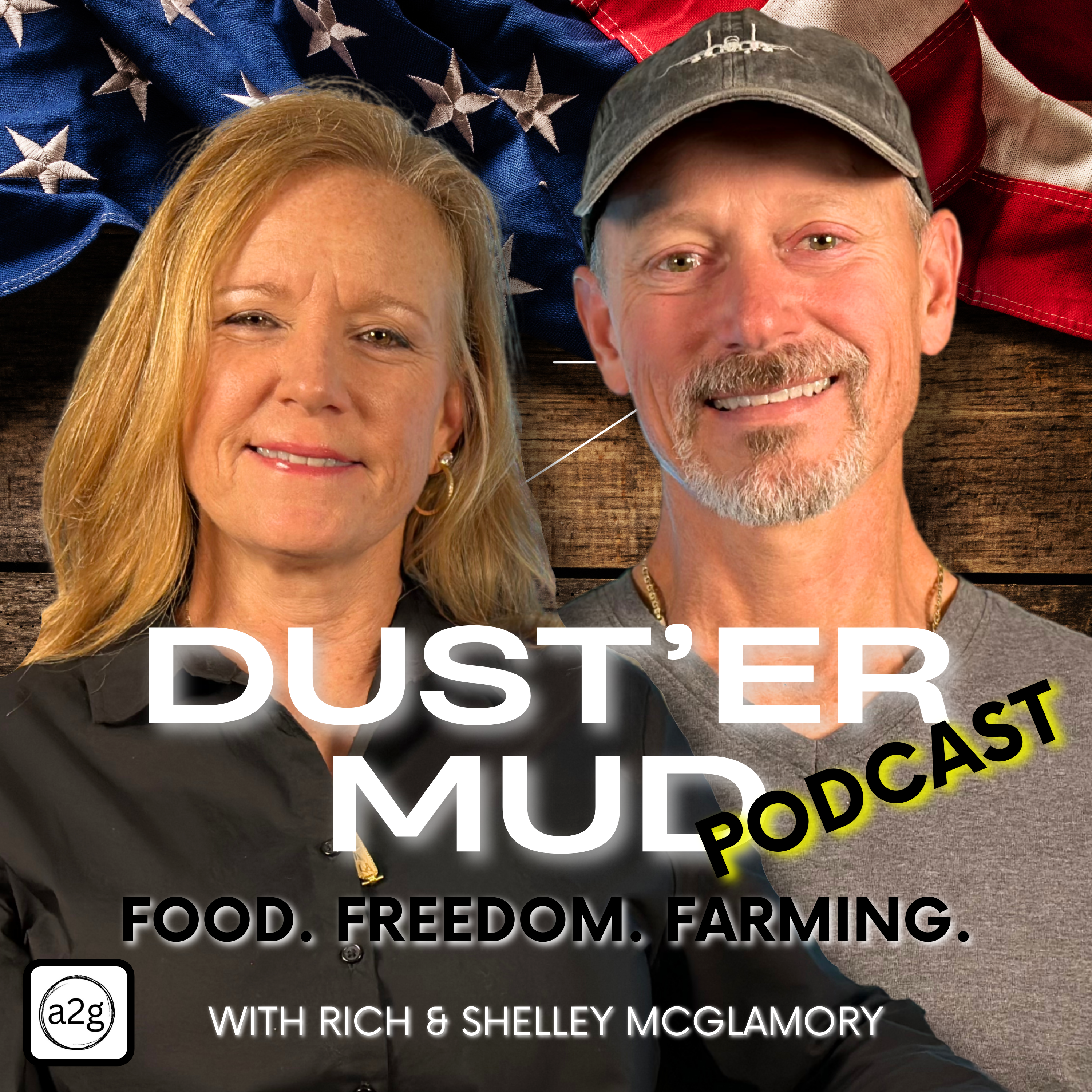
[00:00:43] Speaker A: Welcome to the Dust or Mud podcast. I'm Shelley.
[00:00:45] Speaker B: I'm Rich.
[00:00:46] Speaker A: We like to talk about food freedom and farming. And today we're going to put together the farming and maybe a little bit of freedom in with it.
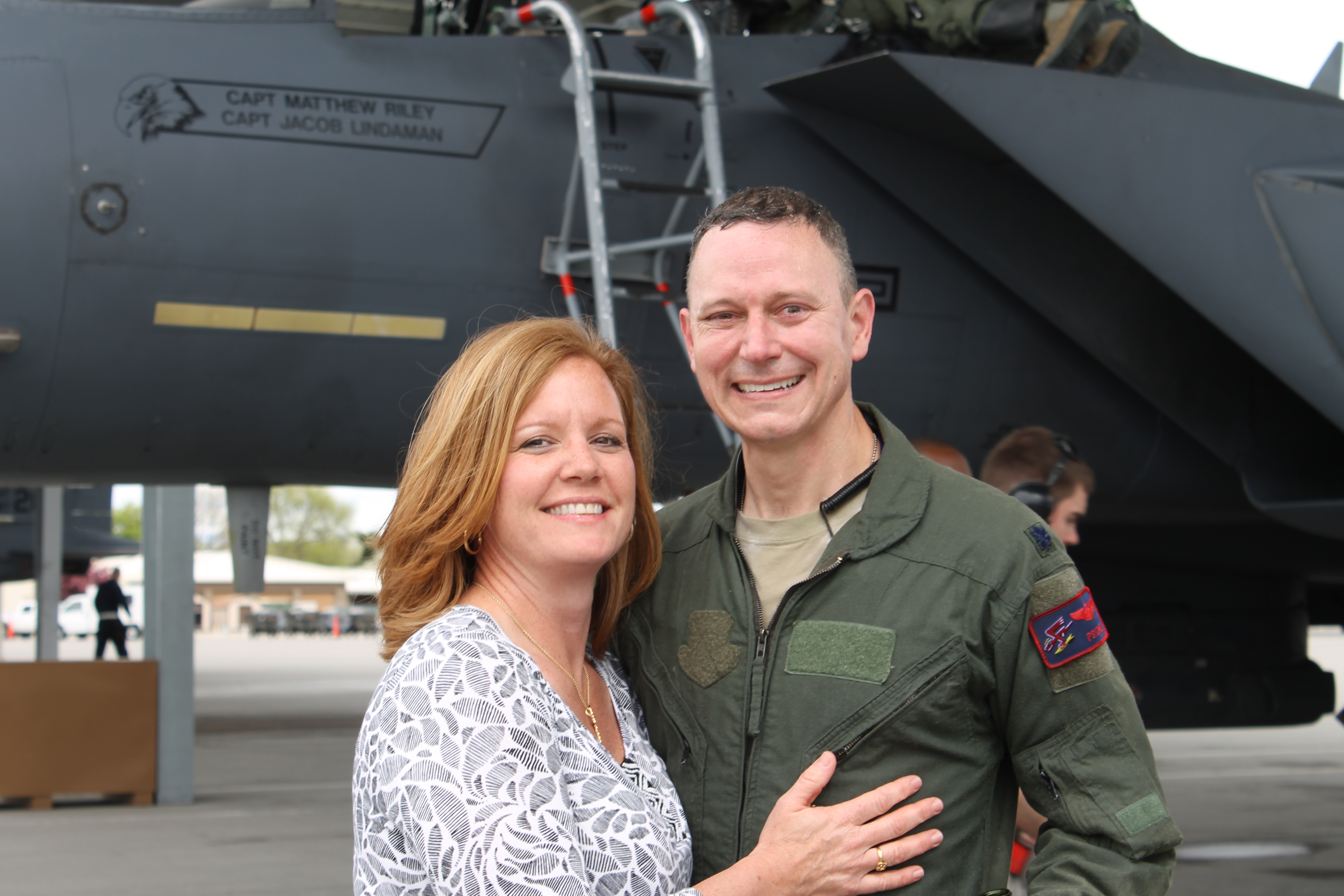
After 25 years of being in the Air Force Force, we retired and Rich retired and we started a first generation regenerative farm. It's a small farm and we help and try to feed our local community and it puts the question of can small farms feed us at the forefront of our brains all the time.
[00:01:20] Speaker B: Yeah. So just for context, our farm, we have about 35 beef cows, about 75 sheep. We have five breeder sows and raise out about 20 feeder hogs per year. This past year we raised 1500 meat birds. We have about 200 layer chickens and two dairy cows. We just added a set of breeder rabbits where we have four females and a male breeder rabbit. So that's the farm, that's the small farm that we are.
That's in our mind. We, when we're having this discussion about small farms and it's often judgmental when that question is asked because we talk about a lot, support your small farmer and buy local and local farms. And like lots of different ways of basically saying the same thing, but we often get the question and or comment all meaning the same thing. Yeah, we hear you talk about this, but can you, can you feed America? Can you actually feed America? Some of our small farm mentors like Joel Salatin or Will Harris often talk about the same thing. Yeah, but does it scale?
[00:02:39] Speaker A: Yeah, that is a, that is a very common comment.
[00:02:44] Speaker B: Yeah.
[00:02:44] Speaker A: About it. But before we get into though some of the numbers and realities of it, let's talk about what small farms do really well in this country. Because in this country is littered with small farms all over the place.
And what are we doing? Well, what do we get right on a regular basis?
For one, we have a relationship with our customer.
We are able to talk to them on the Phone oftentimes take specific orders, answer their questions about how the animal was raised and tell them what that animal was fed.
We even had one customer literally ask us, can I have a picture of the pig?
[00:03:34] Speaker A: And the answer is yes, because we're small scale and we can make sure that that customer is taken care of to the fullest that they, that they choose.
[00:03:43] Speaker B: That would be a fun challenge.
Go to Costco and get a picture of the pig from where those pork chops came that you're buying.
[00:03:52] Speaker A: Yeah. No, you can't.
They, they just simply can't. But we, but we can, we can do things like that.
We can grow the highest quality.
[00:04:08] Speaker A: Meat that there are proteins that you can possibly make.
We can feed them the highest quality food.
We can give them the best living environment because we're going to make sure that their area is as wonderful and happy as possible. We're going to give them a new section when they need it.
We can tailor what we're doing for, for each animal group.
You mentioned like five different species of animals on this farm and we can specifically take care of.
One day we need to move the chickens or another day we need to make sure the sheep have what they need or, and we can, we can literally tailor our farming to the needs of the animal.
[00:04:57] Speaker B: Right. Diversity is something that is very, very common with small farms. So it's not like we have a high rise with pigs stacked on top of each other, you know, on concrete floors. And we have a pig operation. Right. Like a small farm, you can have that diversity. So when, when a customer comes to our store, the chicken was raised on our farm, as was the lamb, the turkey, the beef, the pork.
[00:05:30] Speaker A: We could do it regeneratively. We can move those animals around.
[00:05:35] Speaker A: And build our soil back up. We can add biodiversity into the actual ground that's growing the food for a majority of the animals, which, for people.
[00:05:45] Speaker B: Who are concerned with the environment, we.
This style of farming brings carbon out of the air, puts it back in the ground where it's supposed to be, and is a net carbon negative where your more industrial farms cannot make that claim.
[00:06:04] Speaker A: True nutrition, flavor.
[00:06:09] Speaker A: The, the product at the end, because it was cared for that way, because it was on healthy ground, because it was lived a wonderful, happy life, A happy animal makes happy meat. And the flavor, the freshness that you get from a small farm is, is unmatched. I mean, it is, it is absolutely premium to what you would get in a box store from box meat.
It's just the way that it is. And that's One reason we do this was because we started getting local fresh meat and we were like absolutely blown away with the flavor and the, and you can taste the nutrition in it. And we were like, we got to do this. We need to be able to grow this ourselves. Yeah, right. And so here we are.
[00:06:56] Speaker B: It also a, a lot of small farms creates a redundancy and a, in a very fragile food system. We've talked in many different podcast about how consolidated our food system has become in the United States of America to the point where 85% of beef is, is processed by four packers.
And there, there is not resilience in that.
You know, when, when the loss of one beef packer would reduce the amount of, of beef in this country by 20%.
That's like that, that is not resilient. That is not redundant.
[00:07:39] Speaker A: Right?
[00:07:40] Speaker B: Like so a small farm, a lot of small farms add that resiliency and redundancy into the overall food system.
[00:07:50] Speaker A: Another thing you find in, in this space is the small farms really build community. And in 2025, moving into 2026, as we are about to approach a new year community, tribes are so important. They're important to us. They're. It's, it's wonderful to meet people that we align with and we have, we have a, we have a table in the back end of our store so that we can sit down and commune and talk to our customers who become our friends and become part of our local food community. Have a cup of coffee and let's sit. And they ask us about various things that are going on on the farm.
[00:08:34] Speaker B: And tell us about how they're doing in their life. And you know, we, you know, will you please pray for my wife or my husband? And we, we discuss like real life, real life human connection that you can get.
When you are providing someone their sustenance and they are relying on you to provide them quality food, there's a, there's a trust that's built there and.
[00:09:04] Speaker B: Human connection really helps to build that trust. There's another thing that a lot of people don't, I don't think consider, and that is the small farms preserve the skills that are necessary to grow food.
I would say, you know, as the number of farms reduced significantly over the past 125 years or so, especially in the 70s where the USDA went out on their tour saying get big or get out of the agricultural sector.
And with that, I think an, like an unintended consequence is you lose the skills that are necessary to do a multi species.
You Know, diverse small scale farm.
Like when, when they say, you know, row crops from fence row to fence row, there's, there's no place in that for how do you incorporate sheep and cows?
Where did the, where should the pigs be?
Right, like that. The, the skill there is lost.
And I think the, the resurgence of the small farm or the homestead movement really is putting a priority back on the skills required to actually do it.
[00:10:34] Speaker A: Yeah, that's really good. I hadn't really even considered that even when we were preparing for this, that we've been doing this for almost five years and it's taken every bit of that time for two people who are well educated and been doing other things to say we want to learn how to do this and we want to do it well. And every single day we consider, we continue to learn, we continue to hone our skills, we continue to figure things out. Whether it's what do we need to do with the beef herd right now or where do we need to move the chickens and do we need to up their feed and their protein because it's winter and how do we, how do we maximize the amount of protein that we can grow on this small space every single day? We're constantly learning and thinking about it. So it's not something that's just a, you can't go take a class on it now, you can go learn about it. But until we really put those, what we have, what we might have in our head to practice and actually doing it in the experience, until we do that as a, as a, as a profession or a vocation in small farms, until we do it and we don't learn it.
[00:11:54] Speaker B: And I think a key aspect to that.
I was hoping you were going to say the word business, not just a profession as a business.
So it's one thing to just pour thousands and thousands of dollars into feed. Look, I have healthy animals, but you have, you don't have a profitable business.
[00:12:15] Speaker A: Right?
[00:12:16] Speaker B: Right. So in some way figuring out how to do it, working with the land, working with nature, working with the, of the animal species that you're working with and.
[00:12:29] Speaker B: Make it a profitable business so that you, you can continue to provide food. Not just we provide food until the savings account is empty and then we have to quit.
[00:12:40] Speaker A: Right? Yeah. And honing your business skills, honing your marketing skills, there's, you know, there's a lot more to it than just the production side of can I keep the animal alive?
[00:12:52] Speaker B: So small farms are very powerful. We think that we, as we said, we love them. We are One.
[00:13:00] Speaker A: And there's a push right now and a lot of people think that small farms can indeed feed America. And the reason is, well, I mean, look at Instagram, right? Instagram is going to show you all of the wonderful, beautiful small farms out there and people making their homemade breads and, and doing homesteading things. They have their gardens and. But it's Instagram, right?
[00:13:28] Speaker B: Yeah, it, it looks romantic.
It's misleading though, I would say, especially with the Instagram, tick tock, Facebook, the, the, the shorts, the, you know, the short clips.
You see the, the marvelous things. You see the sunrise, you see the, the chickens, you know, being chickens, you see the pigs being funny, right? Like you see these little snippets, you see these little clips and it's like, oh man, look at that. That's amazing. It's marvelous, it's wonderful and it is. But it's misleading in that that's not all it is.
[00:14:10] Speaker A: Well, or the, the, the idea that, well, we can, we can just grow everything for ourselves. Everyone just grow all of your own food, right?
Or the other thought, well, maybe we could just, we just need to go back in time, right? We're all just going to become Amish people and we're going to go back in time. We need to go back to when our, not our grandparents because they were off really fighting World War II. Let's go back to our great grandparents. They all grew their own food. Well, they didn't, first of all, they grew some of it.
Some of the people did. But back then they had the same types of problems that we even have today. They faced the same. The industrial revolution was coming on. And we'll talk about the past in just a second. But the, the point is those people did raise more food probably than we do right now, but everyone didn't raise all of their food. And so a little bit of a reality check there. If we just go back in time. Well, we can't because we live in 2025, 2026. It's mind boggling.
And we live in a technological age and an age where people go where the jobs are.
And so we have to, we have to accept some of where we live while we fantasize about what our great grandparents were able to do.
[00:15:26] Speaker B: And I think one thing that's missed in those fantasies is the amount of work the labor required. The sun up to sundown, the early bird gets the worm, like work from Cantil can't. Like where do you think these phrases came from? It came from the back breaking work that it Takes to raise your own food day in, day out, every day, every day.
[00:15:55] Speaker A: There are no days off, single day you get up and those animals, they depend on you. And if you're going to eat that food and it's going to be for you and your family or any other family, it is required that you get up and you do that. While you may not be going to a cubicle at the end of the interstate, you have to get up either way and go take care of your animals and tend to your garden or whatever the flavor of food is that you want to grow for you or somebody else.
The fact is it's very laborious.
[00:16:29] Speaker B: You know, my great grandparents did have a farm.
[00:16:35] Speaker A: So did mine.
[00:16:36] Speaker B: I remember them talking vaguely remember things about their farm. And they had a small grocery store and nanny sold pies, you know, home baked pies back when that was legal. And.
[00:16:51] Speaker B: It just dawned on me, I never heard them talk about their vacations.
[00:16:58] Speaker A: No.
[00:17:00] Speaker A: Or their time off.
[00:17:02] Speaker B: No.
[00:17:02] Speaker A: They went to church on Sunday.
They probably ate dinner and that was their, that was their break, that was their rest time. Right. The store probably wasn't open on Sunday because they went to church.
[00:17:15] Speaker B: Right.
[00:17:17] Speaker A: And it was a different time.
[00:17:20] Speaker A: I kind of feel like we are back in time.
[00:17:24] Speaker B: But like there's a, there's a thought or a mentality that every job today is a five day or even four day now work, four day work week. Four day, four to five day work week with at least two weeks vacation.
[00:17:40] Speaker A: Yeah.
[00:17:41] Speaker B: Every year. And so the, the, the romanticized vision of the farm.
[00:17:51] Speaker B: Meeting the reality of seven days a week, 365 days a year, no matter the weather, a lifetime worth of years. Yeah. In order to feed yourself.
Right. Like it's not just oh well I'll, I'll do this for four or five years and then I'll retire and I will have saved up enough food to last me for the next 20 years.
Right.
[00:18:13] Speaker A: Like that. Yeah.
[00:18:13] Speaker B: That's not a thing.
[00:18:15] Speaker A: Well, you know that off topic but Kevin and Sarah from Living Traditions Homestead recently retired, Semi retired from YouTube. They have a fantastic YouTube channel and what they often got the question when are you going to retire? And we would kind of joke about that and like retire from homesteading. And they were kind of asking that because there were. People will ask because they're coming into a time where they're empty nesters.
It's like, well if you're homesteading you're growing your own food. How do I retire from growing my own food? If I retire from that, I'm going hungry or I'm in the grocery store. Right. One or the other. And so if you've chosen the path of I'm going to small farm, grow my own food, grow. Grow food for other people, it is a, it is a. A very long commitment.
You know, it's not. You don't retire.
[00:19:12] Speaker A: From it.
[00:19:13] Speaker B: Right.
[00:19:13] Speaker A: So there's not, there's not even an end of when do I want to stop doing this? Well, when do you want to stop eating?
[00:19:21] Speaker B: Yeah, exactly. Or when do you want to stop eating good food?
[00:19:26] Speaker A: Fair.
[00:19:27] Speaker B: When are you going to transition to crap that you get from a container?
[00:19:32] Speaker A: Yeah. And then another thing that we get asked more specifically because of this podcast and YouTube is.
[00:19:41] Speaker A: Does it scale?
Can you scale what can happen on five acres to 5,000 acres?
And.
[00:19:51] Speaker A: To a degree, parts of it are scalable.
[00:19:57] Speaker A: Will Harris has about 5,000 acres that they farm.
And he does it regeneratively.
He's got.
[00:20:05] Speaker B: Will Harris answers that question. I've heard him answer it many times. From the 5,000 acre to the 500,000 acres or the 50,000 acres, he gets asked often, can this scale, can you feed the country?
[00:20:18] Speaker A: Yeah, well, you can't feed America with this.
[00:20:21] Speaker B: And his answer is, feeding America is not my job.
[00:20:26] Speaker B: My job is taking care of my community.
[00:20:30] Speaker A: It's very well put.
Very well put.
[00:20:32] Speaker B: So as we talk about scale, let's go back in history a little bit and talk about the scale of farming.
So in the, in the early 1900s, we had about 6 million farms in this nation.
[00:20:52] Speaker A: Six million. Okay, what do we have right now?
[00:20:54] Speaker B: We have less than 2 million farms now.
Okay.
And.
[00:21:01] Speaker B: In the early 1900s, the population of our country was about 76 million people.
[00:21:08] Speaker A: Oh, wow. And right now it's 330 million.
[00:21:12] Speaker B: 330 million people with 2 million farms. Correct.
So if we just do a little bit of math. If we go. If we say we just need to go back to the, say the 1900s, the last time that there was a large number of farmers. If we say we need to go back to that, you know, if you, if you want to talk very agrarian, very agrarian society, it was, if you do the math, that ends up being one farmer for every about 13 people in the nation.
And to me that's like, that actually makes sense from a small farm perspective, I think. If we said on the scale that we're doing things, could you feed 13 families or 13 people even? Could you feed 13 people? That's like three families of four. Oh, yeah. Oh, yeah, absolutely. Like, easy, easy with that math, you go easy. Yeah, definitely. And I can see why.
Six million farmers, 76 million people. Yes, that works.
[00:22:18] Speaker B: Today you would need about 25 million farmers.
[00:22:23] Speaker B: To feed the 330 million people.
[00:22:27] Speaker A: Wow. Where are you going to find those people?
[00:22:28] Speaker B: We have less than 2 million farmers currently.
And of those, a small number of them are doing the majority of the feeding people.
[00:22:38] Speaker A: Right.
[00:22:38] Speaker B: It's the, it's the small number of very big farms that are producing the majority of the food.
And the majority of the farms today are producing a very small amount of the food, actually.
[00:22:52] Speaker A: Right.
[00:22:54] Speaker B: So we, you would need to take that.
Even if it were evenly distributed, the 2 million farmers less than. But we'll just say 2 million farmers today that would have to grow to 25 million farmers that are willing to adopt the agrarian lifestyle that we just discussed in the last session.
We would need to.
[00:23:17] Speaker A: Well, we would also need to change the farming styles, wouldn't we? Because you've said that a lot of the, A lot of the farming is done by a small number of people, but a lot of that is commodity crops and it is monocropped. So you have your soybeans, a lot going on in that sector right now. Corn, wheat, rice, and you, if you take oats, whatever, cereals, and if you take that, all of, if you took all of that land and you want 25 million farmers, we're going to have to transform all those acres into a completely different style of farm.
Because right now the majority of the farming that's done in this country, just look at beef, how it's just kind of shrinking. The majority of the farm. Farming is making a commodity that then we turn into ultra processed food, which is, which is killing us. So we would have to have a complete transformation of farming across this country to even attempt such a, such a thing to get 25 million farms growing food. I mean, it's, it would be.
[00:24:32] Speaker A: It would be amazing is what it would be. Yeah, it would be amazing.
[00:24:36] Speaker B: It would be.
[00:24:37] Speaker A: But we're talking about a complete transformation. Yeah, right.
[00:24:42] Speaker B: Yep.
[00:24:42] Speaker A: I mean, I'm all for it.
[00:24:44] Speaker B: So, like, looking back, cities were small, 25 million farmers. Getting the food into the cities was a different thing. Like they didn't have refrigerated trucks, but they also didn't have 14 million people in one city.
You know, so the cities themselves were smaller, the diets were simpler.
Right.
It was for the most part a real food diet. You know, you went to the store occasionally to buy your flour, sugar, salt, coffee.
[00:25:16] Speaker A: Yeah.
[00:25:16] Speaker B: And, you know, maybe a piece of Chocolate for the kids. Right. I mean, like everything else was grown on your farm or the neighbor's farm or the other neighbor's farm. You know, like it was very food, very local, very much real food.
[00:25:32] Speaker B: People, you, you've been hitting on this a lot in the kitchen lately on the Air to Ground Farms channel. But people aren't used to eating or preparing, especially real food.
[00:25:46] Speaker A: Not, not today.
[00:25:48] Speaker B: So to transition, to think that you can transition to small farms, even if you could find 25 million families that were willing to adopt the agrarian lifestyle and, and start a small farm and were able to turn it into a business and make that profitable, and now we're creating the food, people wouldn't know what to do with it.
[00:26:14] Speaker A: They don't, they don't know what to do with it. So many people, y', all, we get.
[00:26:18] Speaker B: Questions like, how do you thaw a whole chicken?
[00:26:21] Speaker A: It's wild. It's really wild.
The, the things sitting and Talking with teenagers, 18 year olds who don't know how to cook at all because they weren't taught.
And it's, it's, it's, it's actually mortifying because these people, in the event of a real struggle, are going to be really struggling.
[00:26:49] Speaker A: Genuinely.
[00:26:50] Speaker B: So the numbers. Okay, just don't math out.
No, if you, if you take all emotion out of it and just do the maths, as the Brits would say.
Yes, just do the maths.
[00:27:06] Speaker A: Yep.
[00:27:08] Speaker B: We don't, we can't get there from here.
[00:27:11] Speaker A: So if the small farms can't feed the entire country, what can we do?
What do we do?
[00:27:18] Speaker B: We talked about a lot of the things that small farms can do and are good at. I, I think the, the biggest thing and, and we sort of touched around it. But the biggest thing is resilience.
There is the, the pandemic showed us how fragile the supply chain is and the.
[00:27:46] Speaker B: Extreme lack of resilience we have as a nation in our food supply system.
[00:27:54] Speaker A: So small farms equal resilience, Industrial farms equal volume.
[00:28:02] Speaker B: Yep.
[00:28:04] Speaker A: But they don't.
They really, they're two completely different entities.
[00:28:11] Speaker A: Supplying people with food or sometimes food like substances.
[00:28:17] Speaker A: But small farms do create resiliency.
Listening to a podcast the other day, Joel Salatin was on the podcast and it was a finance podcast, asking if, with the problem with the beef prices and beef in general right now, if his small farm, which is much larger than ours, yet still small, was he being affected, was his farm, were his prices, were his things being affected by the current beef shortage?
And his answer was, well, no, not really.
I have a small plant. I, we, we raise our own cattle. I have a, he's co owner in a small processing facility so he knows he can get that done. And then he has direct to consumer, whether it's actual like families. He also sells to some restaurants he ships nationwide.
So his answer was no because he is resilient to what the big four meat packers are doing and what is happening with the beef imports coming from Mexico or Brazil or Argentina. It's just not affecting him. Now we're slightly affected. We can't do all of the beef ourselves.
But we have a local farmer who he also grows beef. So it's still real right here and it's real tight.
While yes, beef prices have gone up period, across the board, the fact is the beef is still there, you know, like the plant shut. We're not, we're not fearful of a plant shutting down or. We're not fearful of, we, we can't get the truck there or whatever. We're in charge of most all of that. And so is he. And so there's the resilience built in to.
Hey, do you have any chicken thighs? Well, if I have some because I'm small, but if I have some, they're yours. Right, Right. And so it was interesting listening to him go less affected. Yeah, not, not immune to things, but less affected.
[00:30:28] Speaker B: So what the big farms farmers do is volume.
[00:30:34] Speaker A: Yeah, they do it really well.
[00:30:35] Speaker B: And you, you want to talk about volume per acre.
[00:30:42] Speaker B: Just sheer volume, like amount produced, do tons or steaks or like however you measure it. Oh, like yeah, the large farms yield, right? Yeah.
[00:30:53] Speaker A: And in the beef industry, if you talk to the, if you talk to the beef guys, they'll say we're still, our numbers are down, but our pounds are up.
[00:31:02] Speaker B: Right?
[00:31:03] Speaker A: The pounds, they're still creating a massive amount of beef with, working with less because they're good, they're really good at growing that type of beef.
[00:31:15] Speaker B: Well and, and volume is the key. That's the name of the game is volume. So the, they are required to feed the millions of people that live on top of each other in the cities.
Like they just are. The, the sheer human, you know, person per acre volume of humans in the large cities require the production per acre yield that you get from the large farms. And you know, when we first moved out here and onto our 160 acres, just the, the freedom, the vastness, the, the openness was amazing to us. And when we first started the podcast, we often talked to, to people saying get out of the cities. Oh, get out of the cities.
[00:32:15] Speaker A: Everything that you consume in a city has to be brought into that city.
You might as well be living on an island. Everything is brought in. So in the event, like with the pandemic, in the event that the trucks stop running, you got days before you're out of food.
And so if being prepared for any, anything that could just go wrong.
[00:32:42] Speaker B: Yeah, trucks stop running, diesel runs out of supply or the prices of diesel just go up, the truckers go on.
[00:32:49] Speaker A: Strike, bad weather, hurricane sitting. I mean, so many things, so many things.
[00:32:54] Speaker B: If you don't get the truck that shows up every day restocking the shelves within a day, the shelves are empty.
[00:33:02] Speaker A: Yeah, they are. I mean, so for yourself, if you are living in a city.
[00:33:09] Speaker A: Stocking up on things, making sure that you have some extra on hand. Well, we lived in Washington D.C. whenever the pandemic hit, all of a sudden the stores were closed, couldn't get in them.
And the ones you could get in, they were rationing meat. And praise the Lord, we had just filled our freezer with meat, so we were okay. And we realized that that moment that without this, our life is in a very fragile state.
And it really opened our eyes. So the, the cities are vulnerable because they rely and will and have to rely on industrial farming.
Industrial farming feeds the masses.
[00:33:53] Speaker B: Yep.
[00:33:55] Speaker A: Consolidated people require consolidated agricultural infrastructure.
[00:34:03] Speaker B: It's true.
Yeah.
[00:34:06] Speaker A: So if you don't want to, if you want get out of the cities.
[00:34:10] Speaker B: Why, why can small farms not just scale?
[00:34:18] Speaker A: Why can small farms just not. Well, first of all, I mean, land's expensive and, and so is labor. I mean, just rough the cuff. Like we don't have enough space.
[00:34:36] Speaker B: What's land in your area? How much does it go for?
Right. What's it cost? How many acres does it take?
We have 160 acres.
About close to half of that probably is woods, which is a, an amazing natural resource, but not necessarily necessary for our farming operation. So you know, for the size farm operation that we have somewhere around 80 acres. 80, 90 acres or so would be required to do what we do.
[00:35:15] Speaker A: Labor inputs.
Labor inputs are huge because if you're going to have a small farm, you're going to do it regeneratively.
That is management intensive.
We don't just put things in a bar and close the doors, throw them some feed, make sure they have water and open the door and take the chickens out. When they're done growing, we actually have to go out there and tend to them and move the tractors and take the food and all of that. And that takes labor. And labor is also expensive as they continue to.
[00:35:49] Speaker A: Up minimum wage.
[00:35:53] Speaker A: All of the labor laws that there are in the United States. So you get into regulation in who. What you're paying your farmers. That whole big topic there with farm labor. But even if we're just trying to do it ourselves, how much energy do two people have?
We actually have four or five of us now working all the time to be able to. To raise the food that we raise. We're happy to do it, but it takes a lot of energy.
[00:36:26] Speaker B: And most of the labor is free because we're doing it ourselves.
[00:36:31] Speaker B: And if you had to now pay that labor, like to scale it, if you 10x so you go from 80 acres farmable, which we have, if you go from 80 acres to 800 acres, I would say you would have to at least 10x if not more, the amount of human labor.
[00:36:52] Speaker A: That's why our great grandparents had a.
[00:36:55] Speaker B: Lot of children and small on the farms.
[00:36:58] Speaker A: Small farms, small acreages. Small acreages with plenty of people coming along to help them.
[00:37:05] Speaker B: But they didn't scale it to 800 acres or a thousand acres. Right. Like you had to keep it small enough manageable that the labor that you yourself create in the form of children could handle the, the whole thing. So like, just like, well, why can't it scale, man? Just the, the sheer labor involved.
[00:37:31] Speaker A: Yeah.
[00:37:31] Speaker B: As you try to work it out, maths it out on, you know, from a business perspective, man, the. The production, like increase.
[00:37:43] Speaker B: Labor.
Yeah, man, the. I'm just like thinking through it like, how do you even get started? If we wanted to say, okay, we're going to go from 80 acres to 800 acres, which isn't a whole lot. 800 acres is still a small farm. But if we wanted to 10x our.
Our operation, like step number one would be we have to find a bank to go into business with.
[00:38:09] Speaker A: That's true.
Yeah.
[00:38:11] Speaker B: You have to.
[00:38:12] Speaker A: Yeah.
[00:38:13] Speaker B: And it's not just, well, we would have to buy another 700 acres of land.
[00:38:19] Speaker A: It's all the infrastructure.
[00:38:21] Speaker B: Infrastructure. All the equipment and the operating expenses.
The, you know, the amount of hay and feed and all of that. The amount of labor, like the capital outlay outlay would increase significantly before you get any dollars coming back to you from sales.
So like step number one is find an investor or a banker that's willing to support you, fund you as you. Right, right.
[00:38:51] Speaker A: Yeah, you're right. So another pro, another problem with scale is processing bottlenecks.
Processing is finding a good processor for a Small farm is an essential team member you need in order to sell meat.
It needs to be either a half or whole custom inspected.
You could get it state inspected, but you can't. You can't sell it over state lines or USDA inspected. So you've got to find a processor that's going to treat your meat right and work with you have enough appointments, be able to schedule it in.
[00:39:31] Speaker B: It's even the custom processors, though, are inspected by the state.
They still have rules and regulations as to what they have to do.
[00:39:42] Speaker A: Yeah, they're not in their backyard.
[00:39:43] Speaker B: It's not like, well, I'll build myself an outhouse and butcher a deer. You know, like.
[00:39:48] Speaker A: Right.
[00:39:49] Speaker B: They even, they have inspections and requirements for what they have to do and what kind of septic tank they have and potable water and impervious floors and walls. And I mean, like, even your custom processors. Because people say, well, we could just go to custom processing. Even that requires a level, A level of government oversight and bureaucracy.
[00:40:13] Speaker A: Absolutely.
[00:40:14] Speaker B: So, you know, we mentioned Will Harris. He, the first time he put meat, birds, chickens on his pastures, he was like, oh my gosh, this. Look at what it did to my pastures. This is amazing. I need to have more chickens.
And in order to process them and get them inspected so that he could sell them, he's like, I guess I'm going to have to build myself a processing facility for chickens. He tells the story. He takes out a loan for $3 million.
[00:40:40] Speaker A: Wow.
[00:40:43] Speaker B: Again, what bank are you going to go into business with? Yeah, you know, it's not like we could say, well, we want to scale our chicken operation. We'll just scale up and build a processing facility and like, the capital required and the regulatory oversight.
That's a better word than the one I was thinking of. Probably.
[00:41:10] Speaker B: Is intense.
[00:41:11] Speaker A: Yeah, it is. Well, what about distribution?
Now you've got this meat from your processor. Now you've got to figure out small farm. How am I going to sell this little bit of meat that I have on, on the economy?
[00:41:29] Speaker A: And what are, what are my, what are my distribution problems? Because I, I don't necessarily want however many people coming to my farm, to my home, really. So now I've got to figure out a way to actually market this stuff and sell it. Do I sell it wholesale? Do I sell it to grocery stores? I could make more if I, if I sell it to people. What vehicle am I using? Does it need to be air conditioned or, you know, cooled? How do I transport this stuff?
All of the, there's, there are so Many logistical.
[00:42:01] Speaker B: What freezer are you storing all of this meat in?
[00:42:03] Speaker A: Right. So there's there again more, more requirements, more infrastructure. So while, yeah, everyone thinks farming and fences, but what you really need to be worried about also is farming and freezers. If you're going to do it like this and it's there, there are more requirements than.
[00:42:24] Speaker A: A rooster crowing when you're drinking your coffee.
[00:42:27] Speaker B: And the idea of, well, just, just sell it online. You can just ship it.
[00:42:31] Speaker A: Right.
[00:42:32] Speaker B: And how does it stay cold in shipping?
[00:42:35] Speaker A: Yeah, there's so many logistical things that, that have to go into.
[00:42:39] Speaker B: And how much does it cost to ship a container, Right. That weighs, you know, you, you sell somebody 25 pounds of meat or 50 pounds of meat.
[00:42:50] Speaker B: And like what packing material do you use?
[00:42:57] Speaker B: Well, just put it in a Styrofoam container, right?
[00:43:00] Speaker A: Yeah, each.
[00:43:03] Speaker B: Well, even if you could find. Well, I, I put my fishing minners in the Styrofoam ice chest. Cost $3.
[00:43:08] Speaker A: Right.
[00:43:09] Speaker B: UPS won't ship those.
[00:43:10] Speaker A: No.
[00:43:11] Speaker B: They won't accept them.
[00:43:12] Speaker A: No. You actually have to get proper shipping materials and those cost money and that's just cost. But you need to pass it on to your consumer, which they're used to Amazon, by the way, and that's free to them with their Amazon prime account.
They are used to free shipping. And whenever you say shipping ain't free because I'm shipping cold products to you people, there's a lot of hesitation not only behind shipping costs, but the cost of direct to consumer meat from a small, small farm.
One thing the difference is between the industrial model. When they have economies of scale that are so massive you can't. The small farmer cannot compete.
The small farmer is it. The products are going to be more expensive, they're going to be probably more premium.
But you fight consumer pricing problems because they often think that it's the same product. I can get that at Costco, I can get that at Walmart, and it's cheaper there.
Now there is a difference because like we talked about in the beginning of the podcast, you have a premium product who is that is far different than the industrial product. But they. Consumers are used to buying industrial products at industrially cheap prices, not handcrafted products with a handcrafted price. There is a difference. So if everyone goes to a small farm model, what, groceries just go up precipitously with it?
[00:44:48] Speaker B: Absolutely.
[00:44:48] Speaker A: Probably have to. It would have to because the small farmer has to keep their lights turned on and they're only relying on the sale of that meat to be able to do that. And so that.
[00:44:59] Speaker B: Right. Because Walmart's model is a 2.8% profit margin. Right.
For a small business to even like to even come close to being successful, you need 25 to 30%.
[00:45:14] Speaker A: Right. And so it, it, everything goes up whenever it goes small. We all know a craft beer is probably going to be a little more expensive than Bud Light.
Volume and economies of scale. And, and so the, the acceptance on the consumer side of all of the, the small farmer niche semi problems, you run into issues there. So for, for, for it to feed America.
No, we're still going to have to have industrial farming because there are still industrial minded people in this country and there are still industrial lives living in cities.
[00:45:57] Speaker B: Yeah.
[00:45:57] Speaker A: Right.
[00:45:57] Speaker B: So we touched on it just barely. But let's look a little bit deeper into the regulations that would stand in the way of small farms. Feeding America.
[00:46:10] Speaker B: Regulations.
Yeah.
[00:46:14] Speaker A: I don't know. There's a mountain of them. Yeah, an absolute mountain.
[00:46:20] Speaker B: The we often get the question what do you put in your sausage?
[00:46:26] Speaker B: And that makes us just sort of cock our nuggets sideways and it's like.
[00:46:31] Speaker A: Well, we don't make sausage.
[00:46:33] Speaker B: We can't make sausage that has to be USDA inspected at a USDA facility that has a USDA approved spice blend mix that takes them 18 months to get approved. And when we ask them will you please quit putting sugar in that? They say we can't.
[00:46:54] Speaker B: It's true.
[00:46:55] Speaker A: We are not a manufacturer, meat manufacturer. And one thing that the, the regulations do, and Joel talks about this a lot, they prohibit the small farm from tapping into the convenience and food value added.
[00:47:18] Speaker A: System so often used analogy. If I have a chicken, I grew it on my pastures. It's a $20 chicken.
That's what I can make off of that chicken because I can't cut it up. I don't have an inspected kitchen. So in order for me to sell it, I can sell it as a whole chicken to my neighbor for $20.
Now if my neighbor would like for me to actually sell them the chicken kind of so they don't have to cook and they really just would prefer some chicken pot pie, would I sell them that? I could take that chicken and increase probably about 400x the the amount of money that I could make on this one chicken, if I could sell it to my neighbor as chicken pot pie and if that neighbor wanted to buy it, they should have the right to do that. But in this country right now, we would have to have an inspected kitchen and all of the hoopla that Goes with food manufacturing. You have to put an entire septic system, have a public bathroom handicap spot.
[00:48:21] Speaker B: You know, it's very, very expensive.
[00:48:24] Speaker A: It is.
[00:48:24] Speaker B: Here's. Here's one for you. We went to our processing facility, and they have a storefront in their facility. And we were looking through and saying, oh, man, I didn't know that we could get this flavor of bratwurst. Look at that. Let's get some of those the next time we have a hog processed, because I think our customers would really like that flavor of bratwurst. So. Asked for that flavor of bratwurst, and when we went and picked it up, it wasn't there. And we were like, well, I thought we ordered whatever the flavor was. And they're like, yeah, we.
[00:48:57] Speaker A: We.
[00:48:57] Speaker B: We can sell that in our store, but we don't have that approved yet.
As a man to put into your mixes. We have our own retail manufacturer blend approved that we can sell in our store, but we can't put it in your meat so that you can sell it in your store. Same thing happened with this with a beef jerky blend. They came out with a natural beef jerky blend. And I'm like, score. I've been asking you for two years to do this. And finally, we've got a natural beef jerky blend that's not full of sugar and all the rest of the crap that's. That often goes into beef jerky. Amazing.
We want 100 pounds of beef jerky with that. Oh, I'm sorry. We can't. That mix isn't approved yet for us to do with you. I mean, we can do it with our meat to sell in our store.
[00:49:53] Speaker A: Like, so. It's not about safety. It can't be about safety because they're approved for them to do it for their store to sell the public. We would like you to do that as our processor. You've got the facility.
You have all of the whatevers. Would you please make that for us, too? Sorry, we can't. The USDA hasn't approved us to do that yet. So you want to talk about regulatory market capture for the big guys.
[00:50:17] Speaker A: They're the ones we can't even. We can't even get it made.
[00:50:20] Speaker B: Yeah, they're the ones that have the. The, you know, floors and floors of lawyers that can deal with the floors and floors of usda. Yeah. In order to get things done where the small processors, the small farmer, the mountains of regulation that apply across the board, no matter what size you are, it just is overwhelming. It's like, you can't even really get started.
[00:50:46] Speaker A: Yeah, it's, it's really tough. So talks about, and we've talked about it in podcast before, a food emancipation proclamation where if two consenting adults make a deal and you want to pay me money for a product, let's just say homemade yogurt. I would like to buy some homemade yogurt. Do you make that? You have cows? Yes, we make it, but we can't sell it.
But I, I, I trust you. I want to buy it. Sorry, I can't sell it to you. They'll shut me down.
[00:51:19] Speaker A: If two people, United States citizens, say, I would like to buy that from you. Okay, here you go.
That should be between us, not the usda.
[00:51:34] Speaker A: At scale. Yes. There should be regulation if you're going to put it in a huge store. Sure. But should I be able to sell out of my little farm store my.
[00:51:44] Speaker B: Product where there's a personal relationship?
[00:51:46] Speaker A: Right.
[00:51:46] Speaker B: It is two consenting adults.
[00:51:49] Speaker A: Right, Right.
[00:51:49] Speaker B: This adult is selling it. This adult is wanting to buy it.
[00:51:54] Speaker B: Yes.
[00:51:55] Speaker A: Yeah.
[00:51:55] Speaker B: Okay.
[00:51:56] Speaker A: We have.
[00:51:56] Speaker B: Go for it. You know, Walmart is not two consenting adults.
[00:52:00] Speaker A: Nope.
[00:52:01] Speaker B: Like, it's just not, it's factories worth of food. Right. So, like, not saying that there isn't a place for that system.
[00:52:10] Speaker A: Absolutely.
[00:52:11] Speaker B: But the, the two consenting adults, you know, that sale. I think we should be free to interact in commerce between two consenting adults.
[00:52:23] Speaker A: Yes.
[00:52:26] Speaker A: But right now we can't.
[00:52:28] Speaker B: No. And yet another reason why small farms can't just scale to. Well, we can just feed America to viability also.
[00:52:39] Speaker A: Scale to viability. Right.
[00:52:40] Speaker B: Well, that's, I mean.
[00:52:45] Speaker B: That'S a different podcast.
[00:52:48] Speaker B: This one is, can small farms feed America?
Where you're going to is, are small farms viable at all?
[00:52:56] Speaker A: Another podcast. Yep, you're right.
We'll save that one.
[00:53:04] Speaker A: Small farms could feed more people if we were allowed to transact freely.
[00:53:10] Speaker A: With our tribe.
[00:53:14] Speaker B: Yes.
[00:53:16] Speaker B: Absolutely.
[00:53:17] Speaker A: Because we would be making so much stuff. It would make yalls heads spin.
[00:53:21] Speaker B: Oh, I would love to do that.
[00:53:23] Speaker A: We, we would be. Oh my gosh. I can't even tell you the cool stuff that we would be making for people and adding value to the products that we have.
If we could do it without it costing us $3 million for a facility.
[00:53:38] Speaker B: Yeah.
[00:53:40] Speaker A: That would be fun.
[00:53:41] Speaker B: It would be fun, wouldn't it? Yeah.
[00:53:45] Speaker A: Okay.
[00:53:48] Speaker B: So can small farms feed the United States of America?
[00:53:53] Speaker A: No.
[00:53:55] Speaker A: They can't.
But they can feed our communities. They can feed small towns in rural America. They can add an amazing amount of food to the people that are around you and high quality nutrition. And we can add resilience to our local communities. Yeah, we can support those small farms that we know are around us. I sold some beef to a lady I met her last. Well, we've sold her a couple of times some meat. And I, I asked her where she got her.
I said, we have turkey now. Where do you get your other products? And she said she has someone that she was getting. She's still going through our chicken, but she had someone she was getting some other things from. She said, you know, the amazing thing about around here, they live up near about an hour from us. The amazing thing about this area is there's so many really good small farms around here. There's so much access to good food. And I'm like, if you hunt it down, you know, first of all. But I'm like, you're absolutely right. If I don't have enough milk to sell, I can probably point to someone else. Or if we don't have the, the beef or something on hand, we can probably say, hey, go, go check out this other family. I know they do haves and holes. And so it's true. And there are rural communities all over the country who are, who do have small farms who are marketing direct consumer their products, who are. There's a few more small processors in the country taking care of us. It, it is a movement.
Maha has really helped this. The make America healthy Again.
[00:55:40] Speaker A: Community has pushed forward the local food, better food. Let's get glyphosate and roundup out of our food system for our kids.
So there's a push people. I hear it all the time. I don't want grocery store meat anymore. Man, I don't blame you. So they're the, the, you know, they're on a. When you watch a train in locomotives like getting going and, and they're just just barely going. I kind of feel like that with this better food movement and with, with the Maha tribe and it's like everything is going and if we can ever get the right fuel, if we could get. Deregulate some of the, the policies and maybe find help, help young farmers finance the start. There are ways that we could actually get this engine rolling and help feed our local communities.
Taking care of ourselves and building in that resilience, I think we can really up the game.
[00:56:47] Speaker B: We, we absolutely can. I think that rural communities could thrive on local farming.
[00:56:55] Speaker A: Yes.
[00:56:56] Speaker B: Like absolutely thrive on it.
I think.
[00:57:01] Speaker B: Industrial cities are going to require industrial farming.
[00:57:06] Speaker A: Yes.
[00:57:07] Speaker B: So the idea can, you know, again, the, the question can small farms feed America? No, not all of it.
I think that both systems, in the current environment.
[00:57:21] Speaker B: Both systems are vitally important.
Vitally important, because without the industrial farms, there would be large scale starvation.
Because small farms just can't produce what it takes to feed a city of 14 million people. People.
[00:57:38] Speaker A: If you can find a small farm, find a farmer. Grow in the things that you like to eat and tap into them.
Get your meat from somebody who, I don't know where it didn't come from, the big four or a box store, and support those people. The more you support them, the more that they will be encouraged to continue to support you. Because we have to have food and not everybody wants to do the labor and grow it. So find the people that you trust to start growing your food. You have a lawn guy, you have a cleaning lady. Maybe you have somebody who cuts your hair. Get yourself a farmer who's willing to grow your food.
[00:58:21] Speaker B: Yep, I totally agree.
[00:58:25] Speaker A: We thank you for hanging out with us here again at the Dust or Mud podcast. And until next time, bye.
[00:58:30] Speaker B: Bye.